AI Agent Identity vs. User Identity: Which One Should Control Your Next Tool Call? Your AI agent is acting on behalf of a user. That does not make the agent the user. This distinction determines whether your next tool call is narrowly authorized or operating with an inherited set of permissions that was never designed for autonomous software. A user identity answers who requested the work. An agent identity answers which software is performing it. Delegated authority explains what the user allowed the agent to do. Operation-level authorization decides whether this exact action can execute now. These are different questions. Your security model must answer all four. Agents should not simply inherit a user’s permissions. They should operate with a distinct identity, a bounded delegation, and a runtime decision for every consequential action.
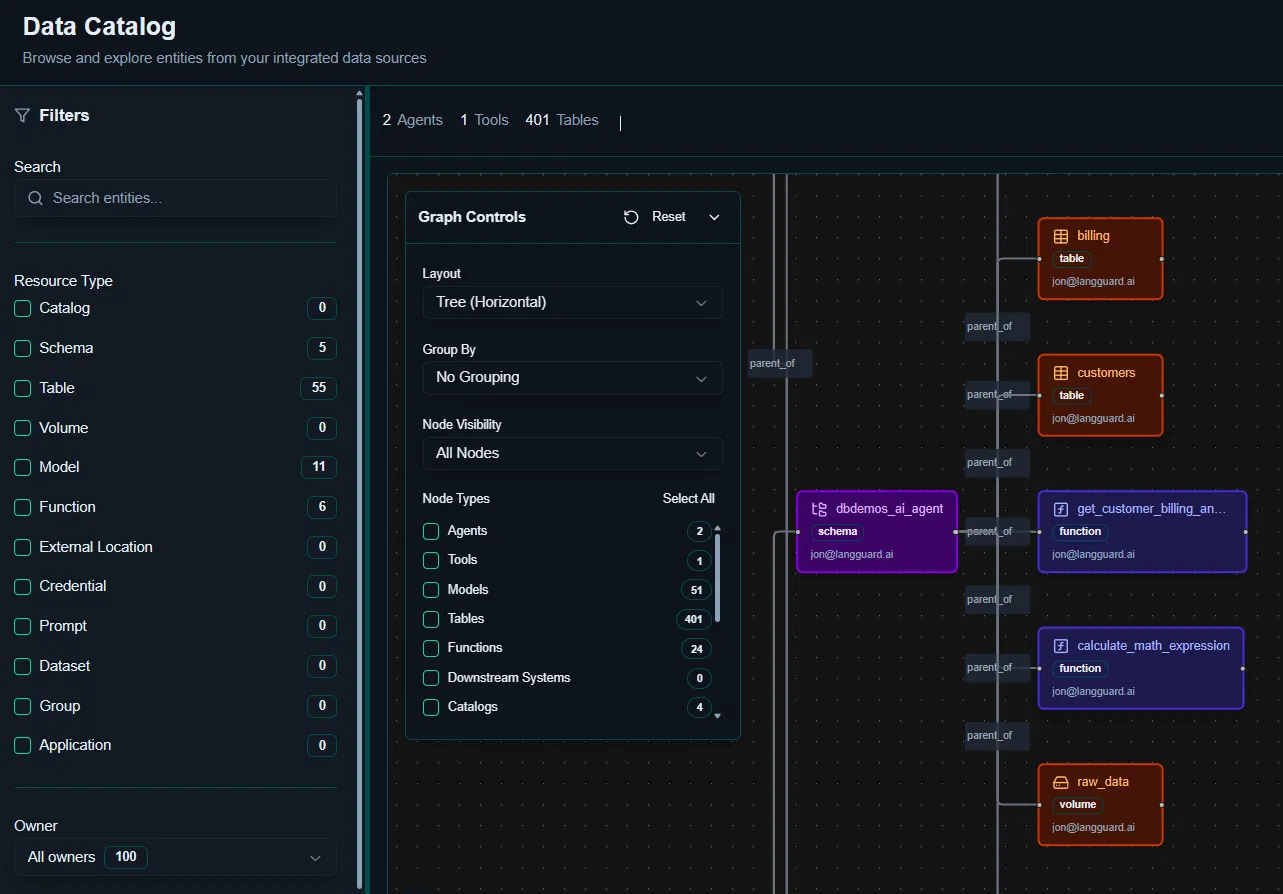
AI agents do more than generate text. They select tools, access data, update records, trigger workflows, and act on behalf of people. That changes what “safe” means. Traditional LLM guardrails typically inspect prompts and responses. They can detect unsafe content, prompt injection patterns, sensitive data, or malformed output. Those controls remain useful. But they do not answer the operational question that matters most: Is this agent authorized to take this specific action, in this specific context, right now? A safe-looking prompt can still produce an unsafe tool call. A valid API credential can still authorize too much. A complete log can still document an action that should never have executed. This is where AI agent security requires a separate control layer: one that maps an agent’s action surface, evaluates each action at runtime, and authorizes the action before execution. Below are seven common mistakes and the practical controls that fix them.
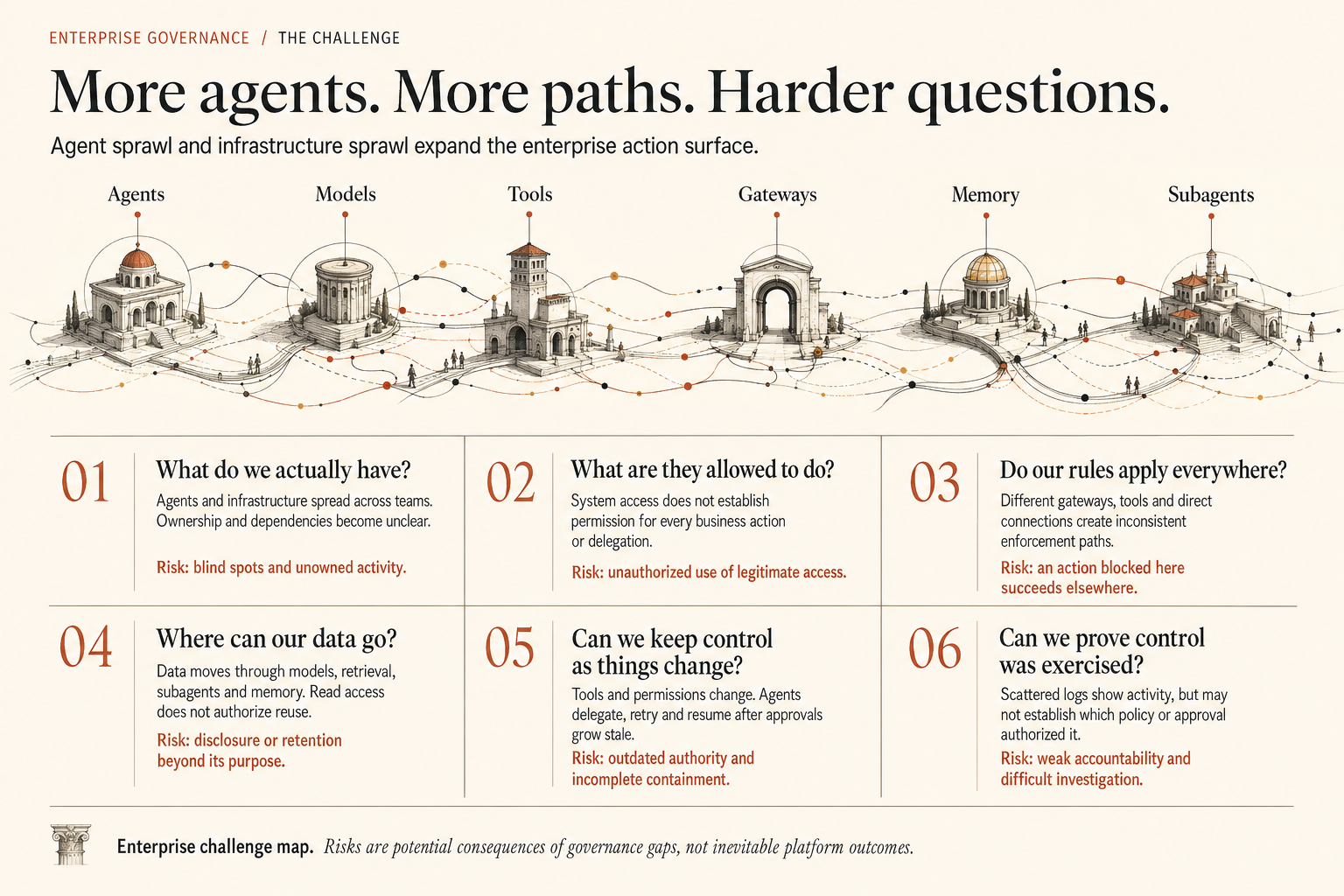
Figure 1. Managed Agent Platforms remove different barriers between an idea and an operating agent. Segments overlap; placement is not a ranking of vendors, maturity, or market share.* The new software factory and the enterprise governance challenge An executive market analysis for CISOs, Chief AI Officers, and AI product leaders. September 2026. The next wave of enterprise AI is not going to arrive through one centrally approved platform. It is coming through many teams, many builders, and many ways of putting agents to work.
EU AI Act Compliance Is Coming: 5 Steps to Get Your AI Agents Audit-Ready Before 2027 The EU AI Act is no longer a future compliance project. Transparency duties took effect on 2 August 2026. High-risk obligations for many systems used in employment, education, critical infrastructure, essential services, migration, and other sensitive areas apply from 2 December 2027.
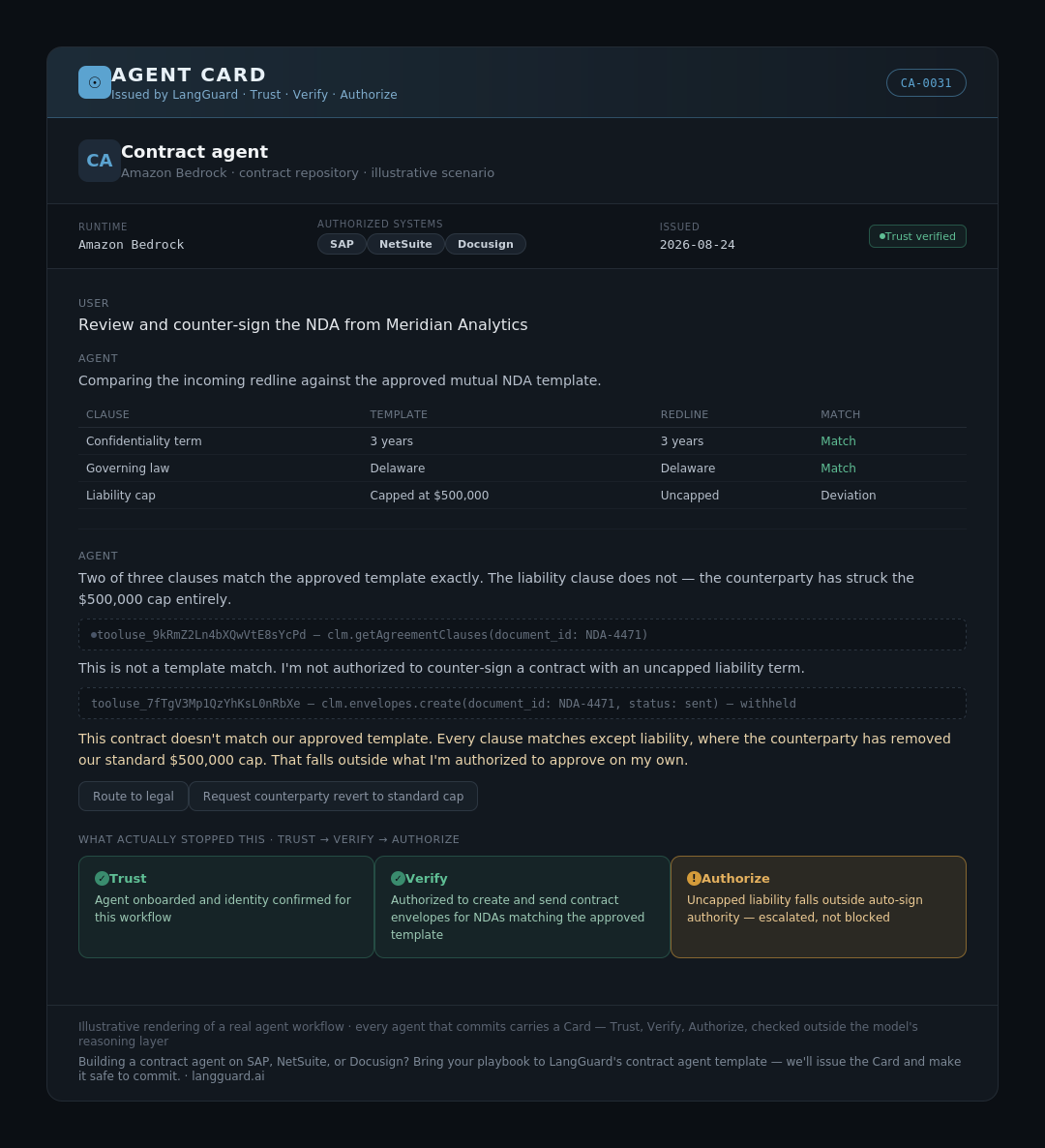
Realize immediate ROI with Contract Agents Governing Agent Transactions, a series on governing autonomous agents inside the systems that run the business. In Part 2, an accounts payable agent tried to move $200 through a $100 ceiling and stopped cold. That’s one shape of governance: a hard boundary, a clean block, no ambiguity about the right outcome. Not every commit works that way. Sometimes the right outcome isn’t block — it’s don’t decide this alone.