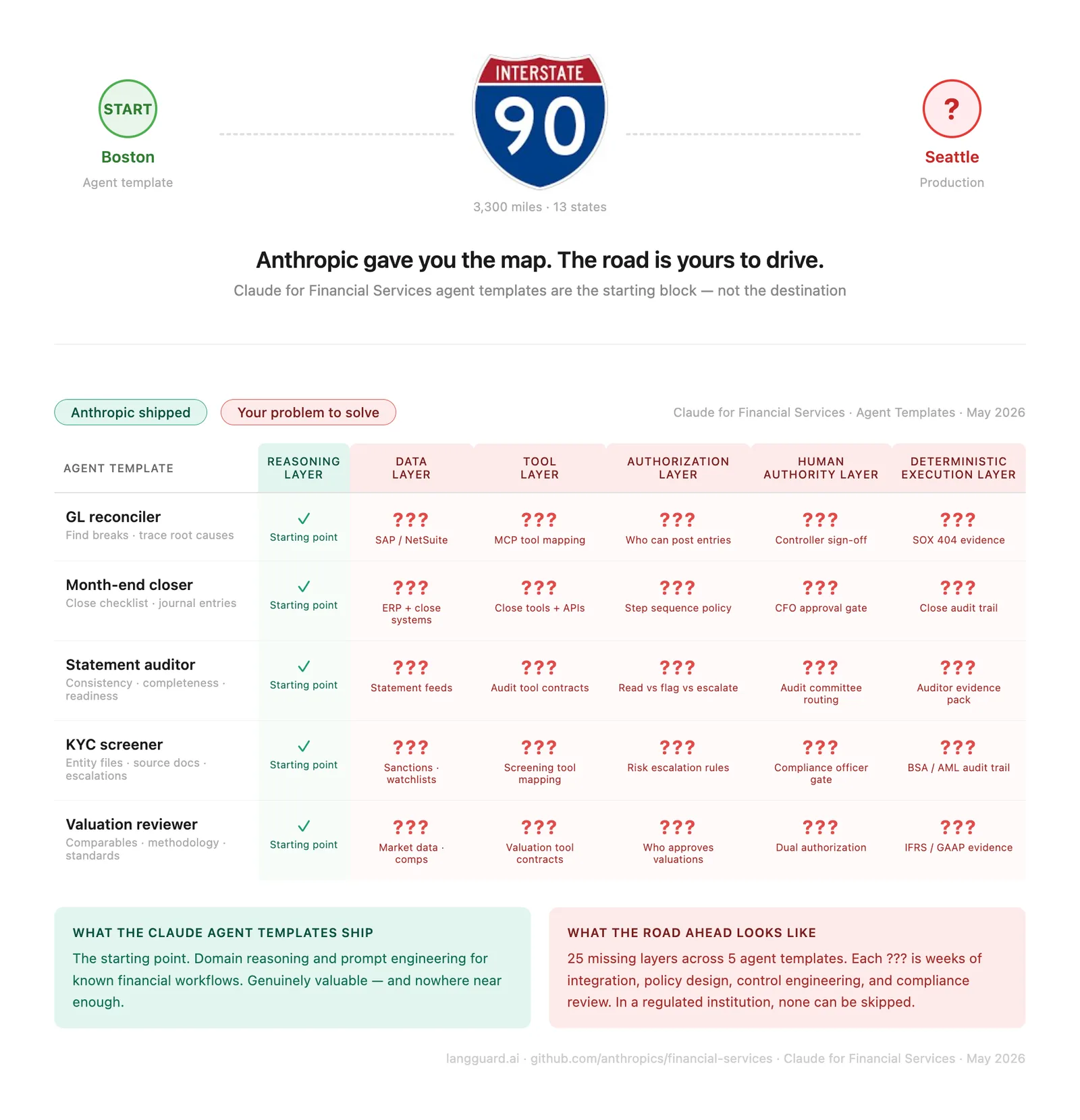
Claude for Financial Services: From Agent Template to Production Part 1: The Five Layers Nobody Talks About May 5th. New York City. Andrew Sorkin, Jamie Dimon, and Dario Amodei on the same stage discussing how AI lives in the world of finance. FactSet dropped 8%. Morningstar fell 3%. Wall Street heard “ready-to-run agents.” Nobody asked what it takes to safely build and operate them.
The Emergence of Context-Layer Attack Surface For years, corporate security leaders have invested heavily in building zero-trust architectures designed to verify every user, every device, and every network packet before granting access to internal resources. The fundamental premise of zero-trust is that no entity inside or outside the network should be implicitly trusted. However, the introduction of autonomous agents via modern protocols has created a massive conceptual blind spot within these carefully constructed defenses. When an organization connects an agent to its internal systems, it often implicitly trusts everything the agent is told, creating a glaring contradiction in the zero-trust philosophy.
Most teams start their AI journey by playing around with a few personal API keys, but things get messy fast as you start to scale. You often end up with a dozen different models and no clear way to manage them all. This is why an AI Gateway is becoming a standard part of the modern tech stack.
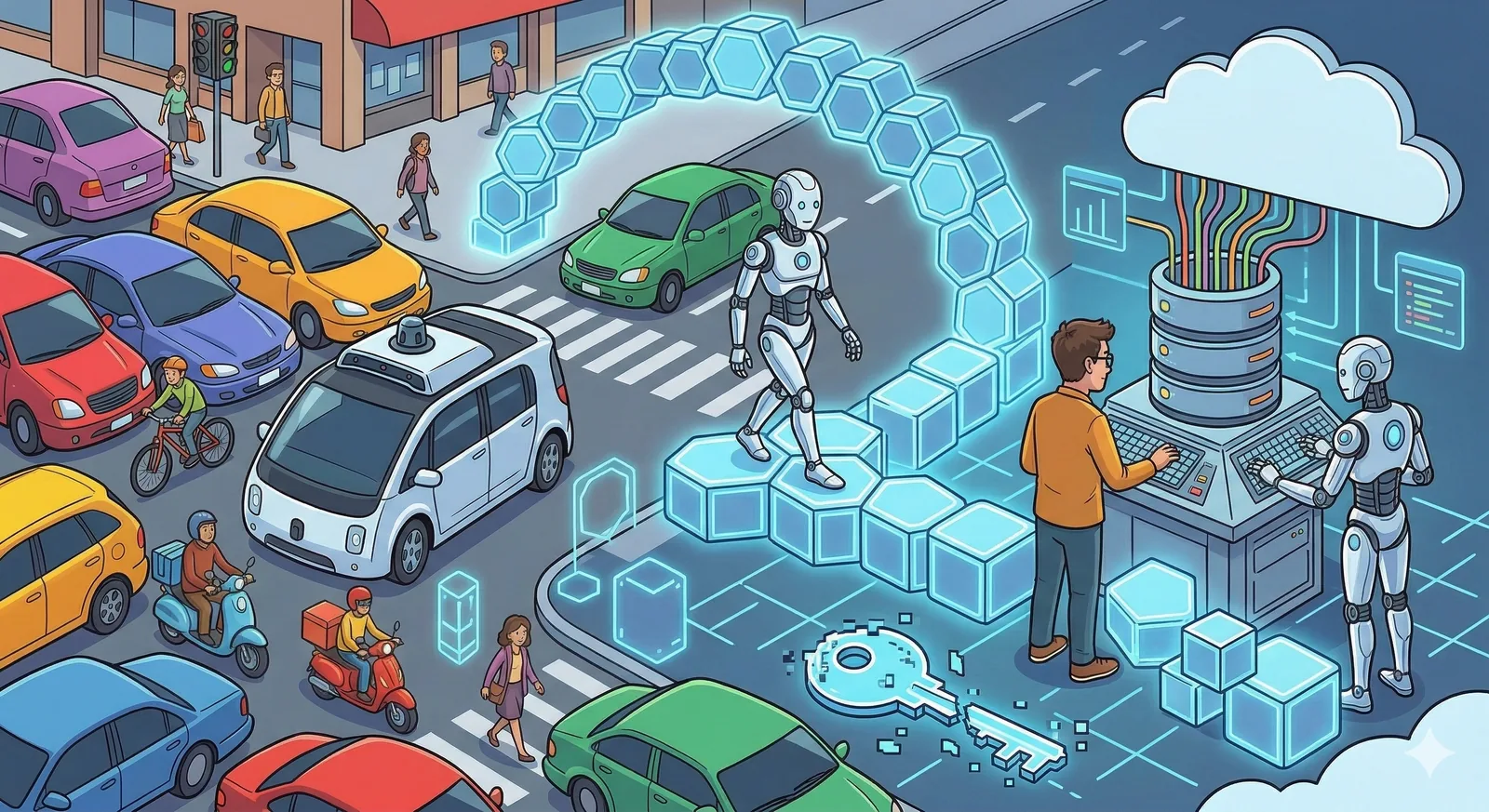
Whenever a new tech makes a big splash, the first thing people do is look for reasons to say it is over. It happened with the web, it happened with iPods and then smartphones, it happened with the cloud, and now it is happening with MCP. If you spend enough time in tech circles, you have already heard the cries that “MCP is dead!” , or that it will be replaced by the CLI, often with the justification that “openclaw does not use it so why should anyone else!” But that handwaves the last century of engineering. Change does not happen by deleting the old world and replacing it with a new one overnight. It happens through long, often messy periods of transition where the new has to learn to live with the old. MCP is not actually about code or servers. It is about how machines and humans share space. If we want to understand why MCP is not going anywhere, you don’t have to look any further than the history of the self-driving car.